Should I publish my book in print, ebook or audiobook?
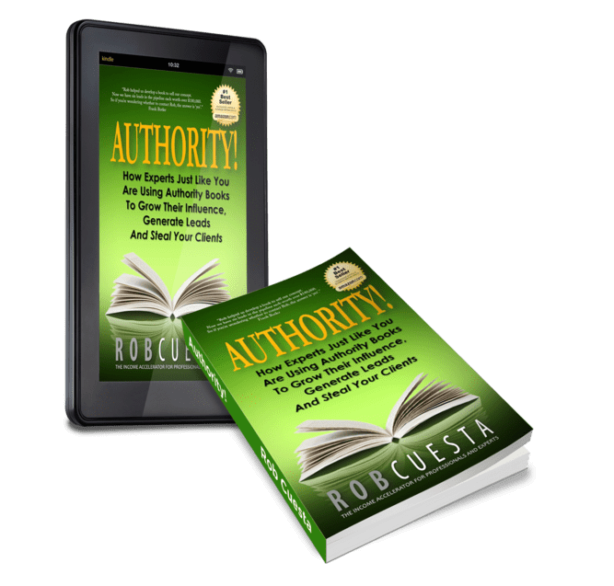
One question that I get all the time from our publishing and ghostwriting clients is whether it’s better to publish your book in ebook or print, whether you need a hardback edition as well as paperback, and whether you need to do an audiobook.
The answer, as in so many things, is – unfortunately – it depends.
Now, that doesn’t mean I can’t answer the question, Just that, if you want a definitive answer personalized to your circumstances, we need to talk.
But here are some general principles.
Ebook vs Print
The answer to this is surprisingly complex. To an outside observer, it looks like the world is obsessed with ebooks. I’ve even had clients say to me, “no-one reads print anymore.”
Both of those observations are wrong.
“The world” is not obsessed with ebooks. A lot of US-based fiction readers prefer to consume their books electronically, but that’s it. Outside the US, print books are still more popular than ebooks. And even in the US, non-fiction is the largest category in print sales, and growing year-on-year.
So if, like the clients whose books we publish or ghostwrite, you’re a nonfiction author—and especially if you’re targeting potential clients around the world—then you need to have a print edition of your book.
But that’s actually the least important reason for publishing in print.
Here are the three main reasons why I tell our clients you need a physical version of your book.
First, if you intend to use your book to get clients, you are going to want to put a printed book in their hand. Starting a sales meeting by saying, “I thought you would find a copy of my bestselling book on X interesting” will get the buyer’s attention. Starting it with, “Let me email you a copy of my ebook” just doesn’t have the same impact. Or indeed any impact at all.
Second, and related to that, one of the big ways I tell our clients to use their book is in a “wow pack” or “shock and awe package”. Sending someone a box with your book in it—along with other carefully curated items—creates the wow factor you’re after. A postcard with instructions for downloading your free ebook doesn’t.
Third, a printed book makes getting referrals a breeze. Saying to a client, “Do you know anyone you’d like to refer to me?” usually elicits a deer-in-headlights response. But what if, instead, you simply said, “Here’s a copy of my bestselling book as my gift to you for being a client. And here’s two more copies: if you know anyone who would find the book useful, please give it to them.”? Now you’re not putting them on the spot. In fact, you’re asking them to give a valuable gift to their friends. That’s a lot easier for people to do.
Of course, that doesn’t mean you should only have a print edition and no ebook. Print books are great when you’re putting the book in a prospect’s hands. But having your book available on Kindle maximizes your reach. It puts your book in front of Amazon’s worldwide audience of people who are happy to pay for information. And, as long as you’ve set your book up properly (with the right calls to action) you can add those readers to your list.
So, to sum up. If you want to use your book to get clients—and why wouldn’t you?—you probably need to have both an ebook and a print edition.
Paperback vs. hardback
Another question I get regularly is whether you can get by with just a paperback edition, or whether you should also create a hardcover.
The biggest reason is the thud factor. A hardback book is, simply, more substantial than a paperback. So, if you want to truly impress a prospect with your book, you’re better off sending them a hardback than a paperback.
That’s especially important if your book is short: turning a 120-page book into a hardback can make it as impressive as a 200-page paperback.
My advice to clients is usually that if your audience is CEOs or other high net worth individuals, or if you are selling high-end offers, you should seriously consider creating a hardback edition of your book. The same applies if you're approaching a major media figure or a big conference.
Should I turn my book into an audiobook?
The other big question I get about format is whether to create an audio version.
Audiobooks are extremely popular and growing more popular over time. People love to consume information as an audiobook because they can be doing other things at the same: commuting, working out, mowing the lawn or whatever.
Even so, the main reason for turning your book into an audiobook is positioning.
Imagine a reader browsing on Amazon. They find two books, including yours. One of those books is available only as an ebook. The other is available on Kindle, as a paperback, a hardback, and an audiobook.
Which book seems more professional? And which one, therefore will they buy?
So, creating an audiobook makes your book appear more professional and will ultimately get you more readers.
Summing up
What formats should you create?
As a minimum, you need both a Kindle version and a paperback.
If you sell at the high end of your market, or if you need to make your book seem more impressive, you should consider adding a hardback edition.
And, if you want to maximize your reach, you should think about an audiobook.
Free Writing and Self-Publishing Guide

Free Video Training

Free Business Growth Guide

Schedule a Free Consultation